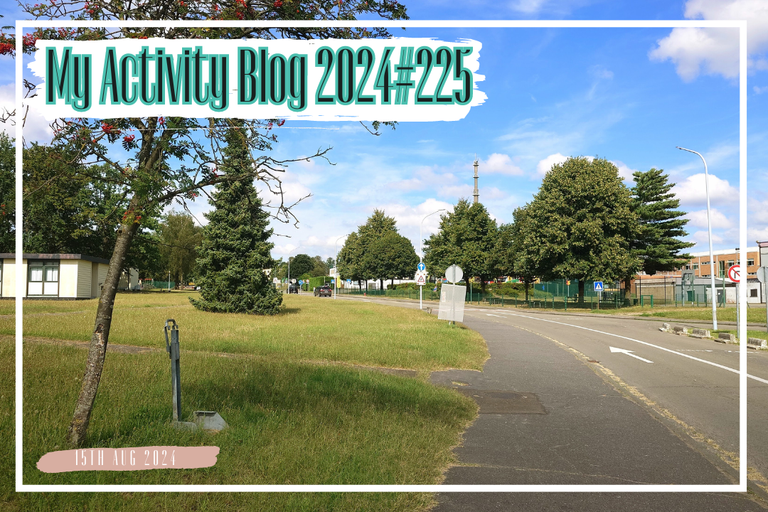
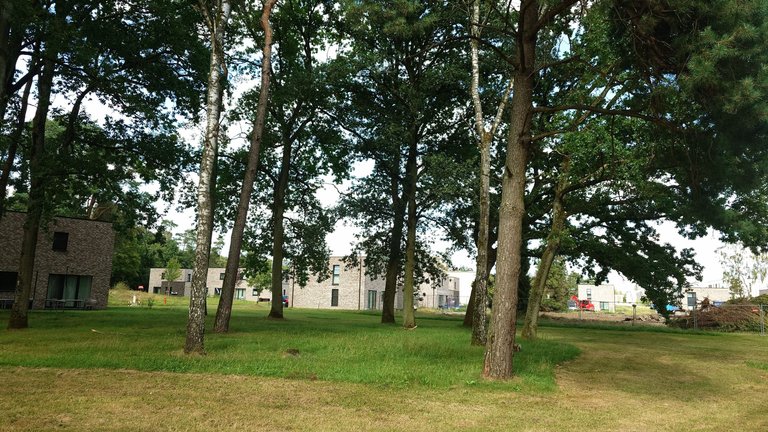
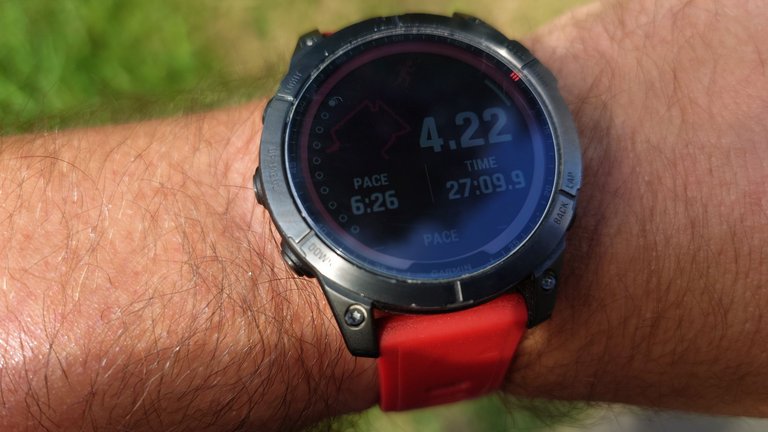
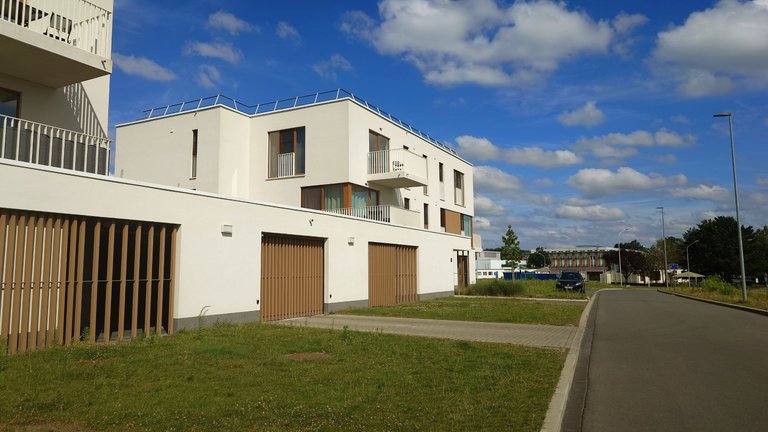
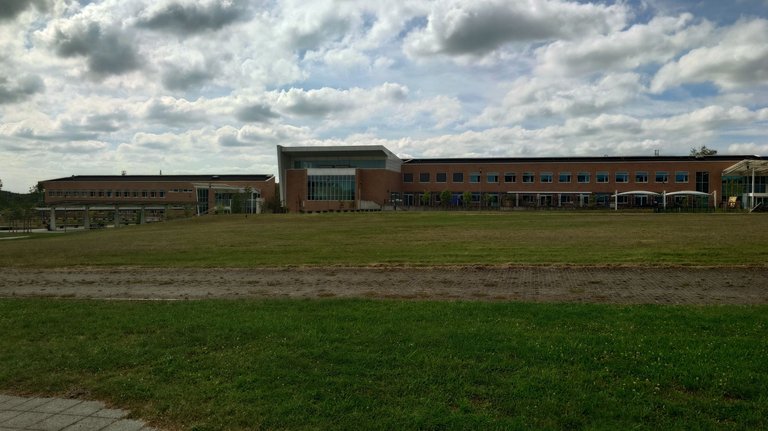
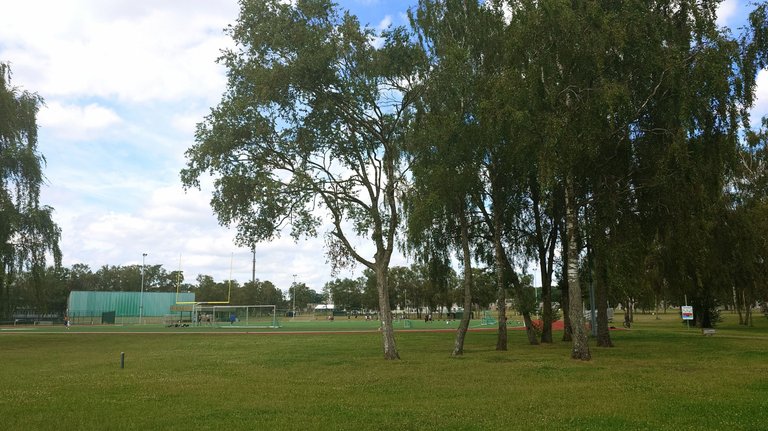
Wczoraj, zamiast świętować, jak wszyscy wkoło, musiałem pracować. Taki to już los pracy zmianowej. Planowałem, że wyjdę pobiegać już przed lunchem, ale wtedy awaria, gdzieś na drugim krańcu kontynentu zatrzymała mnie w biurze. Zanim awaria została naprawiona, to było już po lunchu. Jeszcze chwilę ociągałem się z wyjściem na zewnątrz, ale w końcu się zebrałem w sobie i ruszyłem truchtem po bazie. Kolejna minuta dodana do czasu biegu, myślę, że w przyszłym tygodniu osiągnę pięć kilometrów.
[ENG] Yesterday, instead of celebrating like everyone else around me, I had to work. Such is the fate of shift work. I had planned to go for a run before lunch, but then a breakdown somewhere on the other side of the continent kept me in the office. By the time it was fixed, it was after lunch. I put off going outside for a while, but finally pulled myself together and started jogging around the base. Another minute added to my running time, I think I'll reach five kilometres next week.
Po powrocie do biura włączyłem relację z ostatnich 20 kilometrów wyścigu kolarskiego Tour de Pologne. Lubię oglądać kolarskie zmagania, ale zwykle oglądam na Eurosporcie, tym razem transmisja była w TVP. Muszę przyznać, że to była najdziwniejsza relacja z wyścigu, jaką oglądałem, komentatorzy, zamiast skupiać się na tym, co dzieje się w peletonie, opowiadali o miejscowościach i wioskach, przez które przejeżdżał peleton. Z tej transmisji dowiedziałem się, między innymi ilu mieszkańców zamieszkuje daną miejscowość. Powiem szczerze, że gdybym był ciekaw takich informacji, to bym włączył Discovery Chanel lub National Geographic. Najlepsze wydarzyło się około 10.ego kilometra przed metą, kiedy to wyścig staje się najciekawszy. Wtedy realizatorzy transmisji stracili połączenie i obraz z kamer towarzyszących kolarzom. Zamiast uczciwie o tym powiedzieć, to usłyszałem od komentatora, że "to doskonały moment, żeby przypomnieć sobie, co działo się w trakcie tego etapu" i puszczono skrót relacji. Obraz na żywo wrócił dopiero, w momencie, gdy kolarze byli już kilkaset metrów przed metą i mogły ich "chwycić" stacjonarne kamery ustawione przed metą.
[ENG] When I got back to the office, I turned on the coverage of the last 20 kilometres of the Tour de Pologne cycling race. I like to watch cycling, but usually on Eurosport, but this time the coverage was on TVP. Instead of focusing on what was happening in the peloton, the commentators elaborated on the towns and villages the peloton was passing through. One of the things I learnt from this coverage was how many people lived in each village. I can honestly say that if I had been curious about such information, I would have turned to Discovery Channel or National Geographic. The best thing happened about 10 kilometres from the finish, when the race was at its most interesting. That's when the broadcasters lost the connection and the pictures from the cameras following the riders. Instead of being honest about it, the commentator told me 'this is the perfect moment to remember what happened during this stage' and a shortened report was played. The live picture did not come back until the riders were a few hundred metres from the finish line and could be 'captured' by the stationary cameras set up in front of the finish line.


Dystans pokonany w 2024 roku: 3112,29 km — z podziałem na dyscypliny:
| Dyscyplina | Dystans |
|---|---|
| Spacer / Marsz / Nordic Walking | 2056,62 km (+9,36 km) |
| Kolarstwo / Rower MTB | 238,71 km |
| Jogging / Bieganie | 370,20 km (+4,22 km) |
| Ergometr wioślarski | 130,21 km |
| Orbitrek | 316,55 km |
| wander.earth 2024 | 237,09 km |

This report was published via Actifit app (Android | iOS). Check out the original version here on actifit.io