https://play.3speak.tv/embed?v=jlufer/0ize4acv

Source: Family Álbum
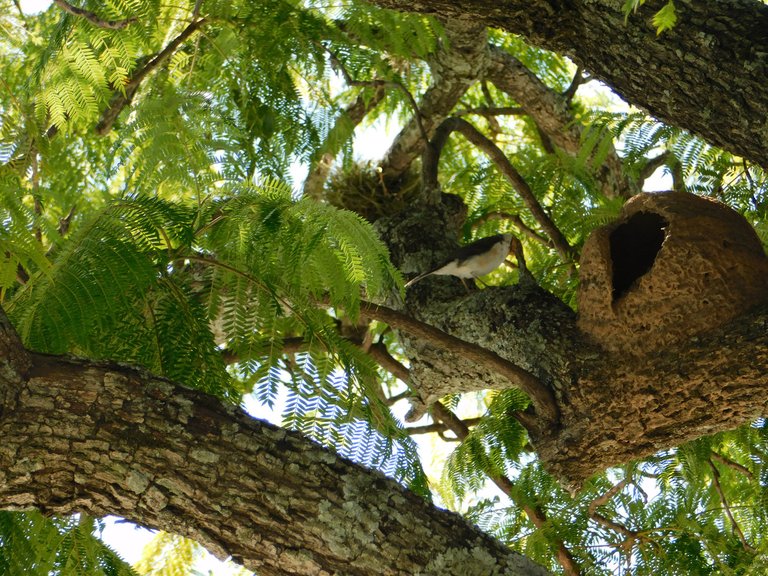
Como están los seguidores de esta maravillosa ¨Threespeak-Community¨: . En nuestra caminata ¨científica¨: dimos con un bello ¨nido¨: que pertenece a un ¨ave¨: encantador.
How are the followers of this wonderful Threespeak-Community? On our scientificwalk, we came across a beautiful nest that belongs to a charming bird.
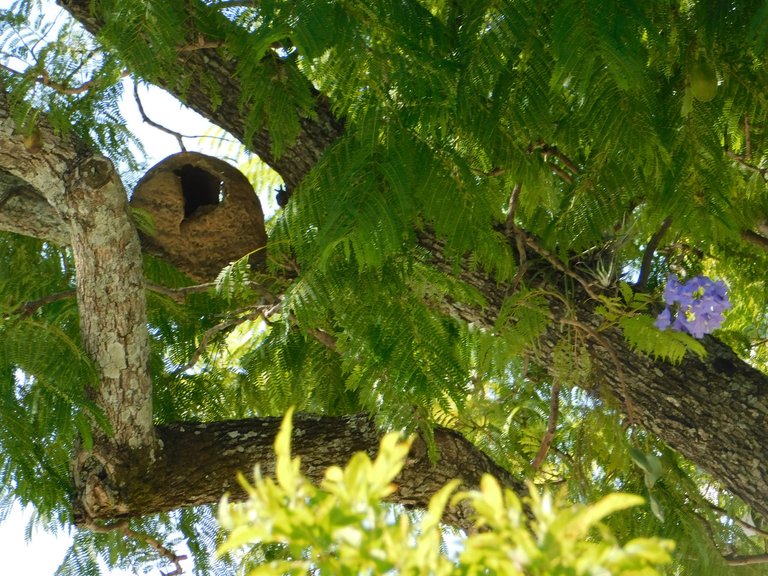
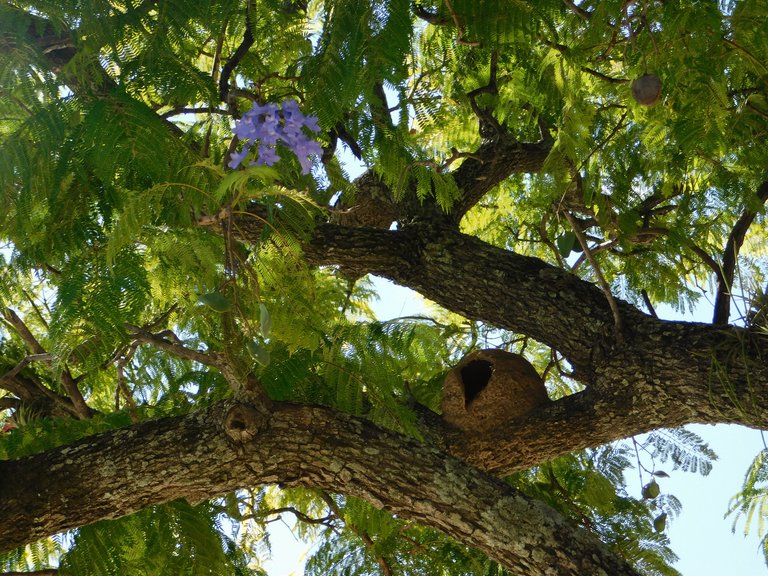
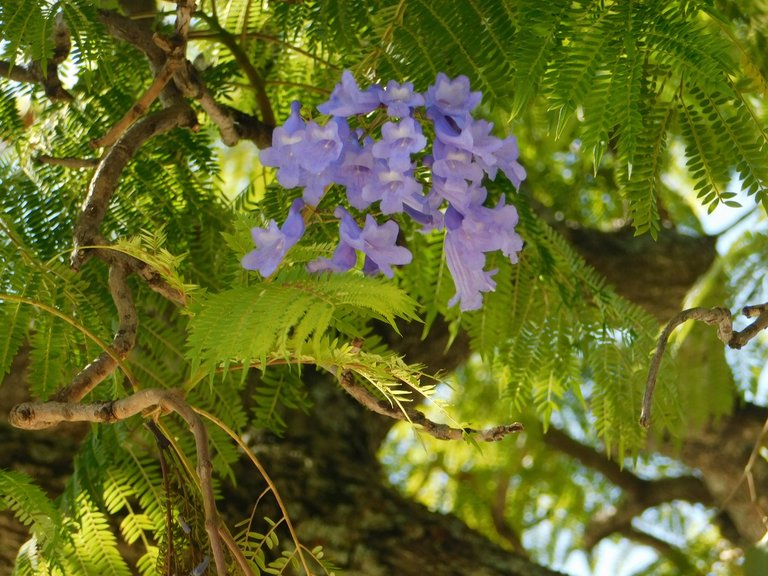
Source: Family Álbum
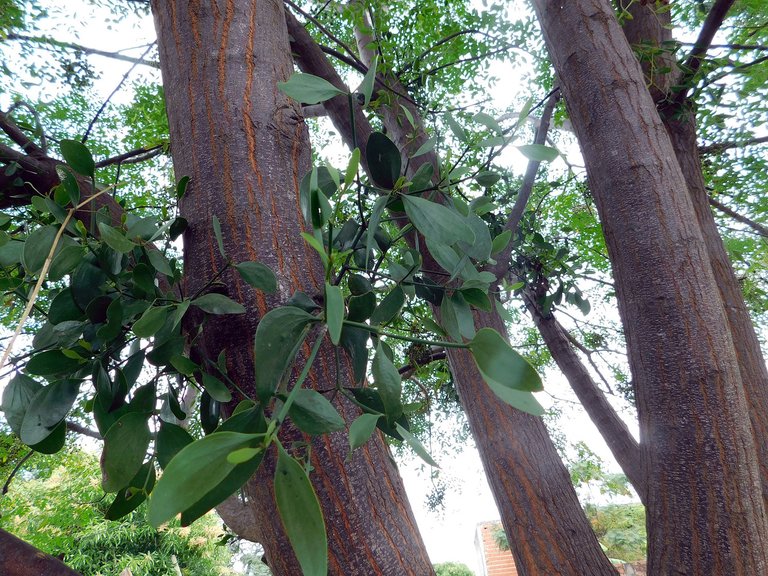
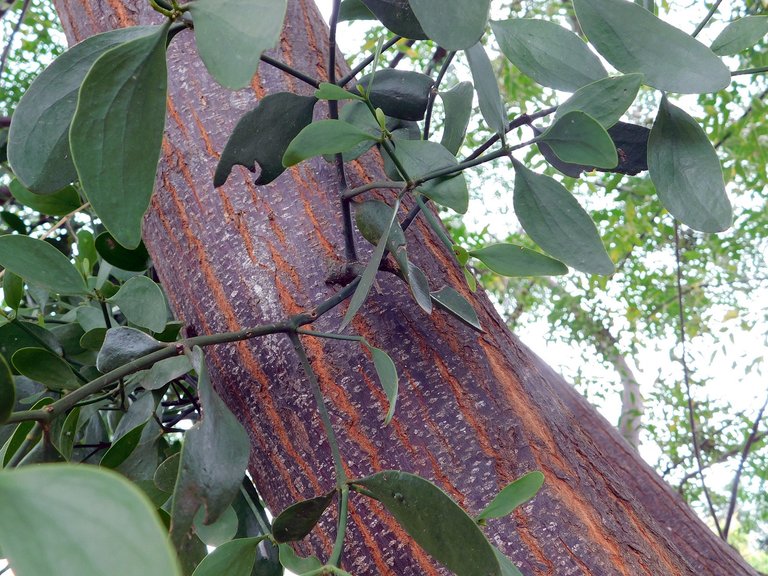
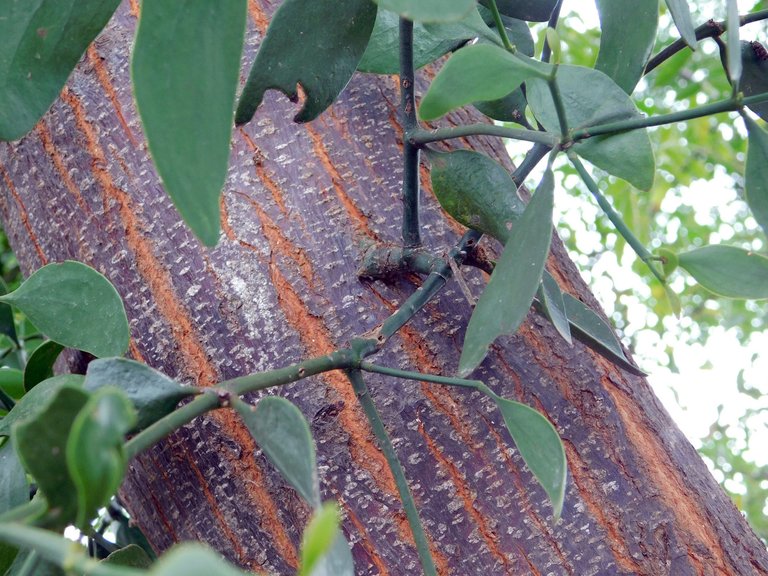
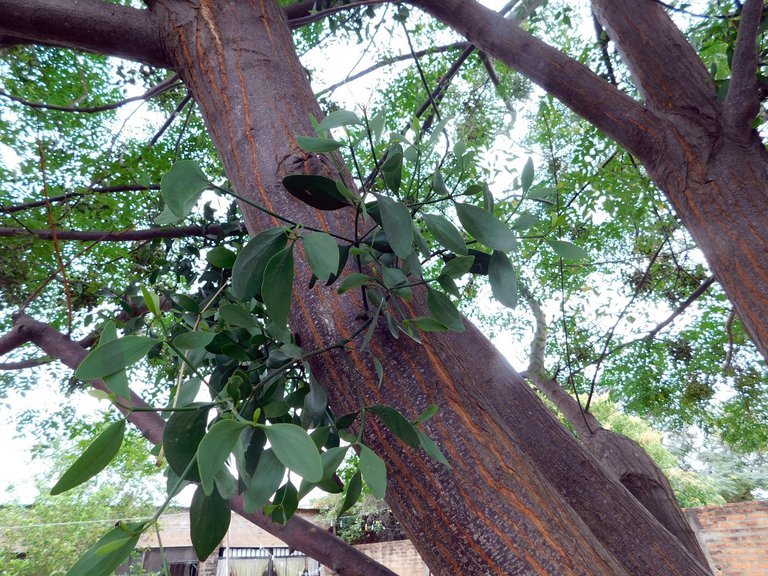
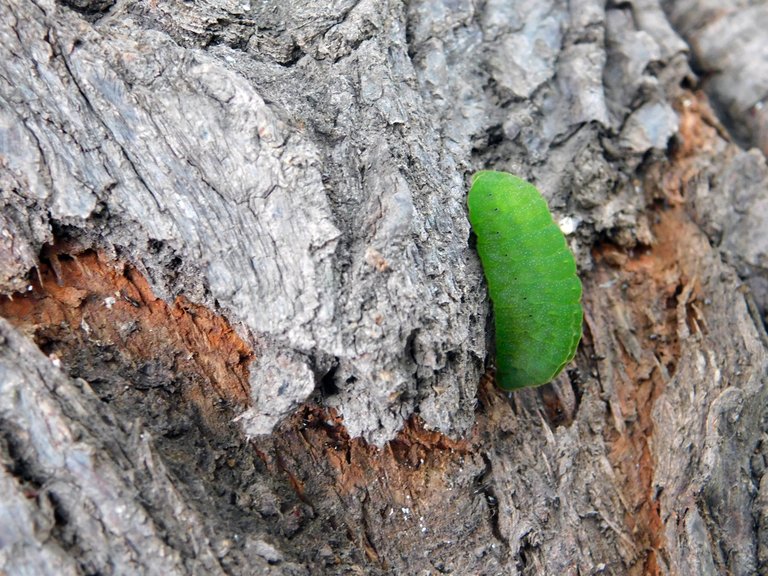
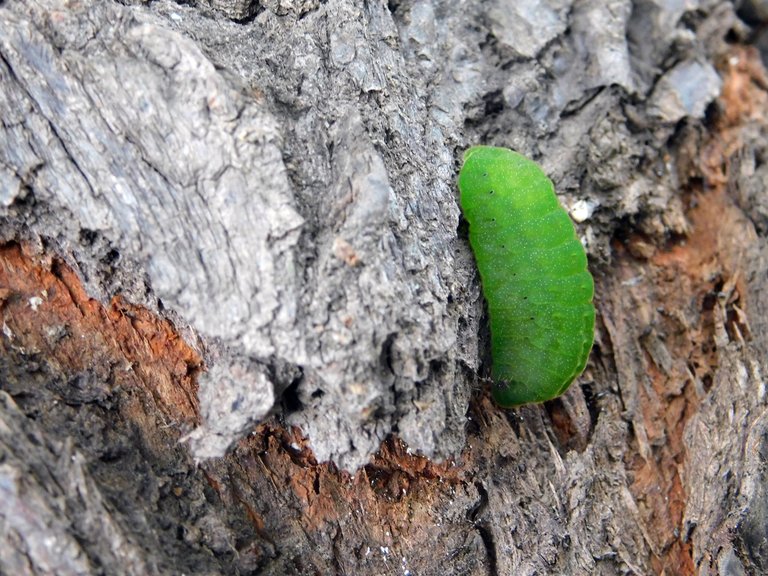
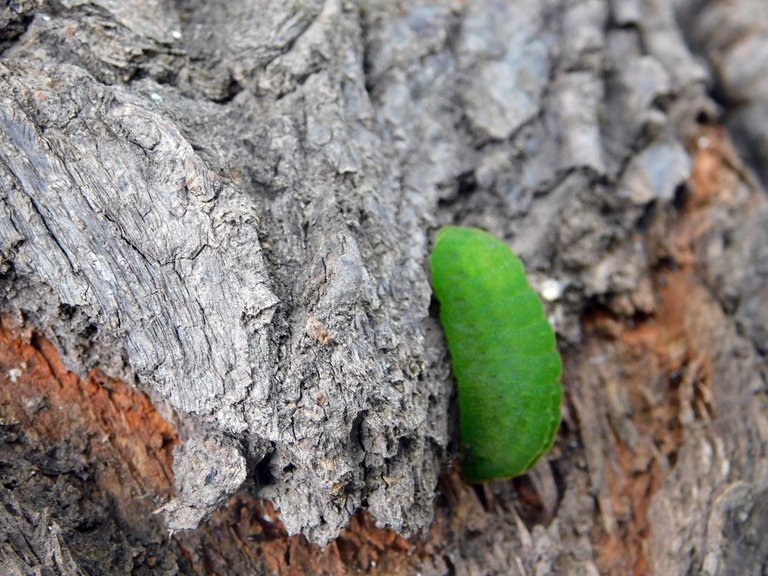
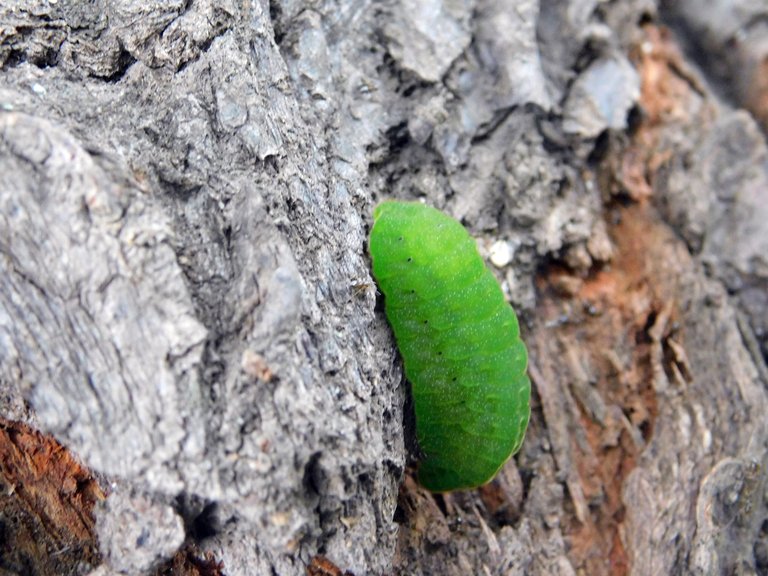
Aquellos que regularmente siguen mis publicaciones recordarán que les mencioné el precioso árbol de ¨paraíso¨: que tengo en el jardín de casa. Este es uno de esos árboles que siempre nos dan muchas satisfacciones a la hora de hacer descubrimientos científicos en nuestras ¨caminatas¨: en esta oportunidad dimos con una ¨planta¨: que se alojó sobre sus ramas. Este es el comportamiento normal de estas especies; son originarias de ¨América¨: Lo curioso de esta planta es que necesitan de las aves para seguir prosperando; sus semillas, al ser pegajosas, se prenden de las plumas de las ¨aves¨: . Otra cosa que en esta oportunidad llamó nuestra atención de las ramas de este árbol es una ¨Larva¨: que estaba luchando con la presencia de las hormigas. No sabría decir a qué especie de insecto pertenece, pero la verdad es que ha sido maravilloso estar frente a ella.
Those who regularly follow my posts will remember that I mentioned the beautiful "paradise" tree that I have in my garden. This is one of those trees that always gives us great satisfaction when making scientific discoveries on our "walks". On this occasion, we came across a "plant" that was growing on its branches. This is the normal behavior of these species; They are native to "America":. What's curious about this plant is that it needs birds to continue thriving; its seeds, being sticky, cling to the feathers of "birds":. Another thing that caught our attention on the branches of this tree this time was a "Larva": that was struggling with the presence of ants. I couldn't say what species of insect it belongs to, but the truth is that it has been wonderful to be in front of it.
Source: Family Álbum
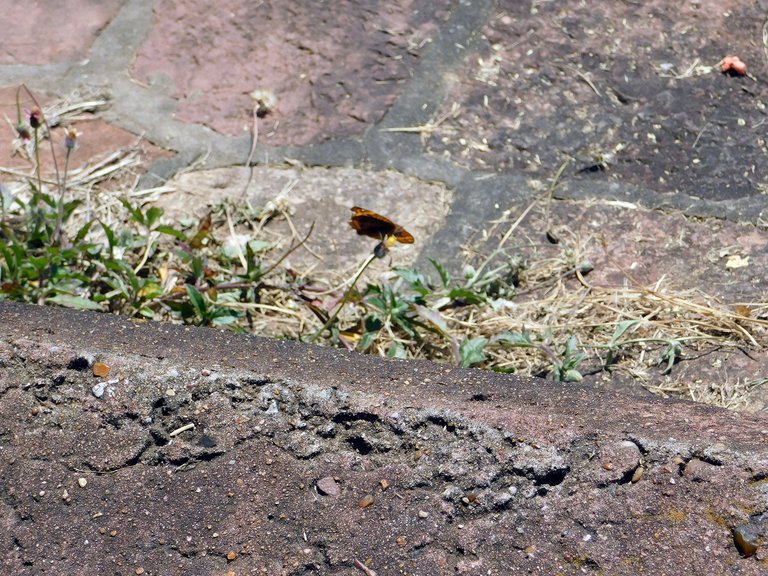
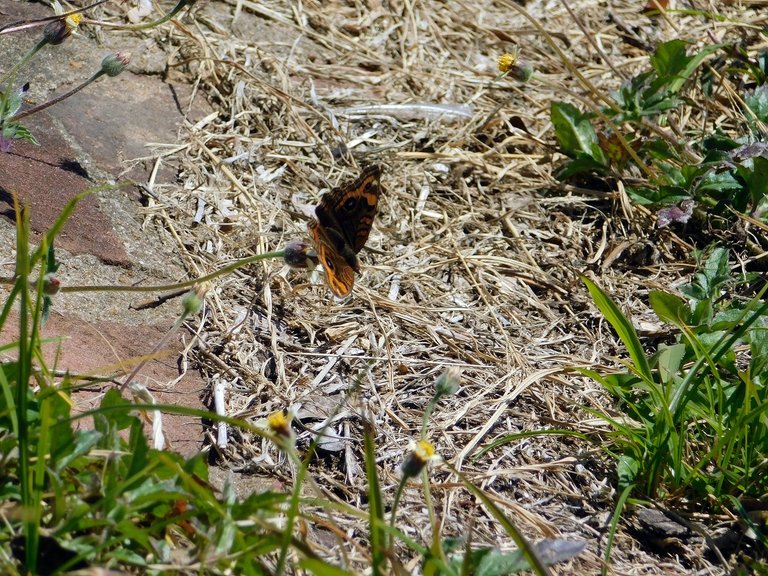
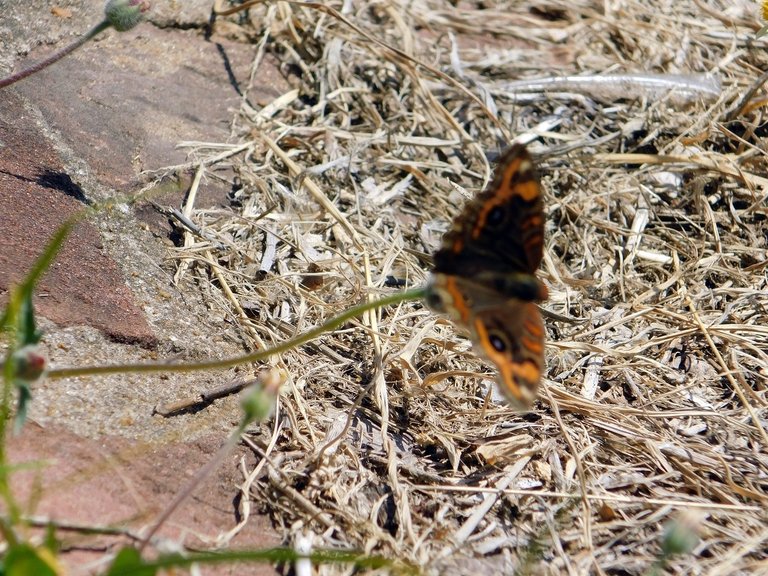
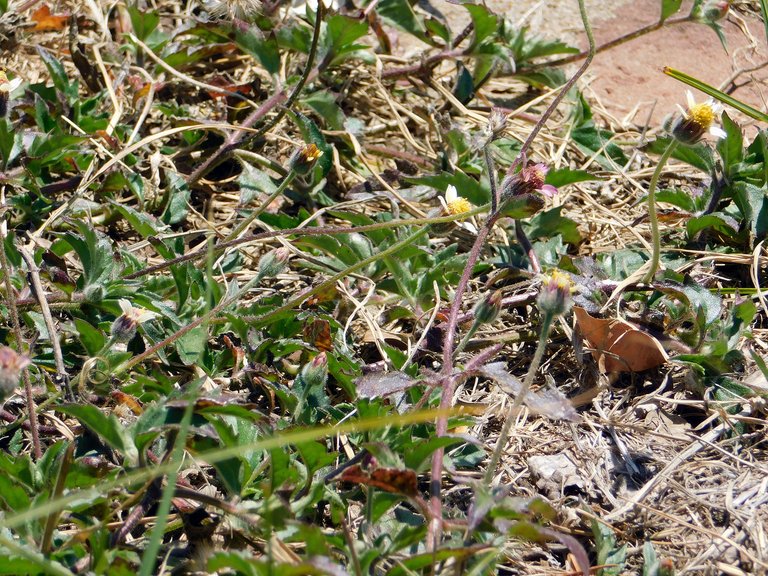
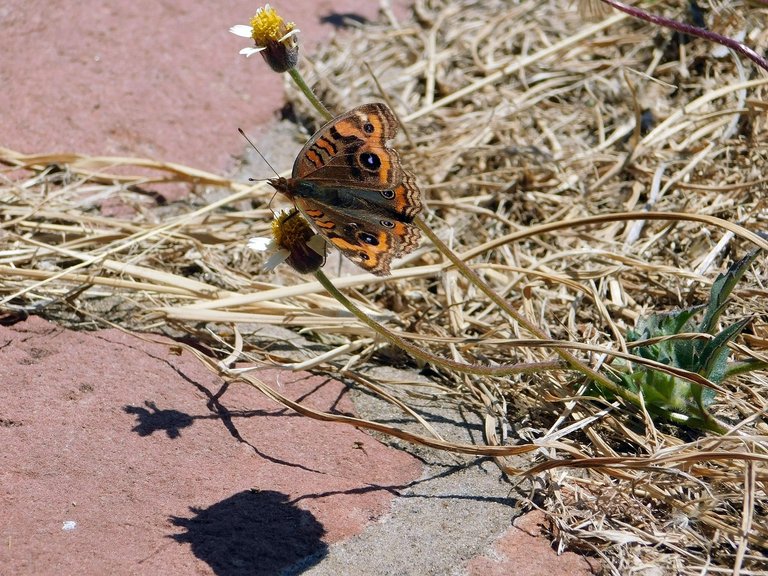
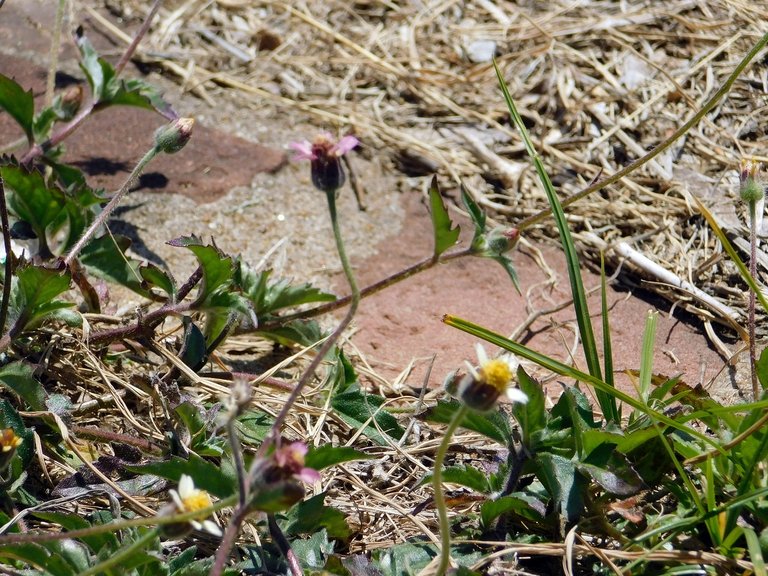
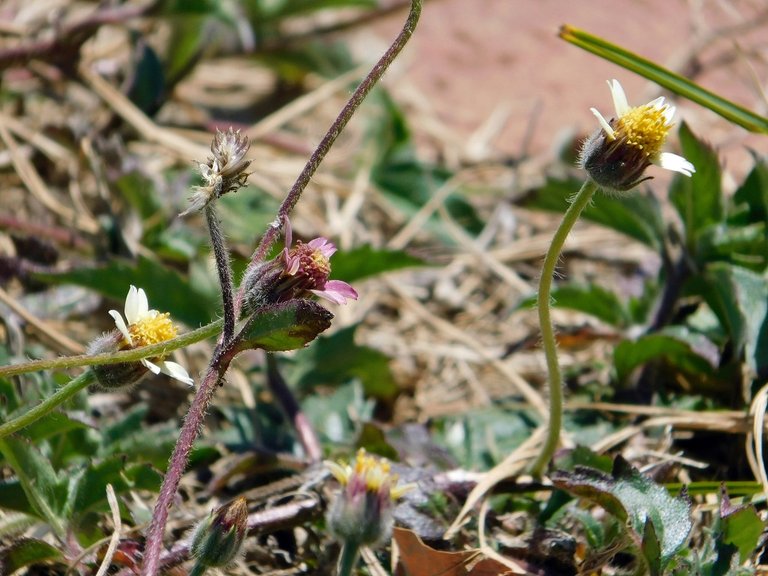
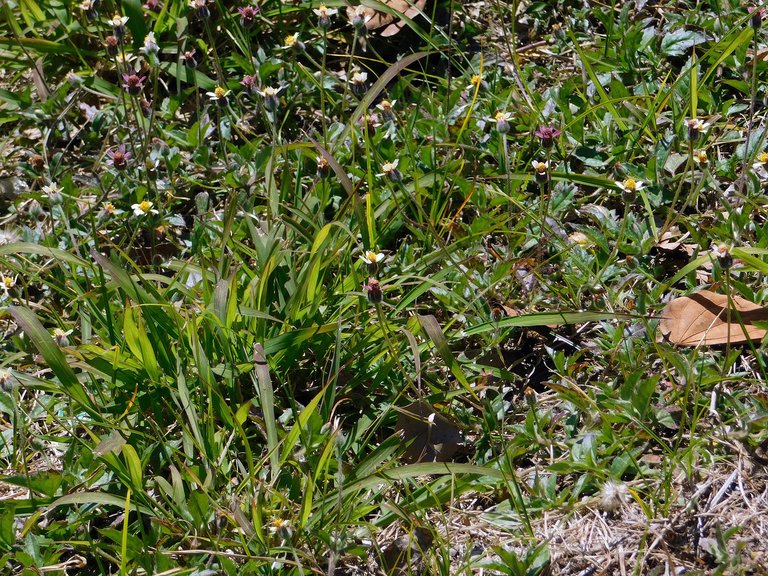
Tal como les mencioné al principio, vivo en una ciudad realmente maravillosa con muchísima presencia natural en nuestras calles, por eso no me sorprende estar caminando y descubrir especies preciosas. Otro impresionante hallazgo se dio en la costa de la ciudad; allí dimos con una bella ¨mariposa¨: que es propia de ¨Sudamérica¨: Un dato que llamó nuestra atención es que sus larvas crecen en una planta muy conocida con el nombre de ¨Ruellia¨: Por la información que obtuvimos en la web, este es un ejemplar macho, y se está alimentando del néctar de una flor de la planta conocida con el nombre de ¨cadillo¨:
As I mentioned at the beginning, I live in a truly wonderful city with a great deal of nature in our streets, so it doesn't surprise me to be walking around and discover beautiful species. Another impressive find was made on the city's coast; There we came across a beautiful "butterfly":which is native to "South America":One fact that caught our attention is that its larvae grow on a well-known plant called "Ruellia":According to the information we obtained on the web, this is a male specimen, and it is feeding on the nectar of a flower of the plant known as ¨cadillo¨:
Source: Family Álbum


Source: vimeo-free-videos